
 Why Traveling Off-Peak in Europe Is a Smart Move for Off-Peak Europe Travel 2025
Europe is magical all year round, but in 2025, the smartest travelers are skipping the crowds and focusing on off-peak Europe travel 2025. From cozy winter streets in Prague to quiet sunsets in Lisbon, the low season reveals a side of Europe most tourists never see — calmer, cheaper, and surprisingly authentic.
When you avoid the rush of summer tourism, everything changes: hotels cost less, flights are easier to find, and locals are far more welcoming. You can stroll through famous attractions without elbow-to-elbow crowds or inflated “tourist season” prices. Whether you’re chasing winter markets, mountain escapes, or peaceful city breaks, off-peak Europe travel 2025 can cut your costs by 30–50% while giving you a richer experience.
- Smart traveler tip: Use a multi-currency travel card like Revolut or Wise to manage your spending abroad. You’ll save money on exchange rates and pay directly in local currencies without hidden fees.
In this guide, we’ll break down the best times, destinations, and budget hacks for exploring Europe in 2025 — without the chaos or high prices. Let’s dive into how you can make the most of off-peak Europe travel 2025.
Disclosure: This post contains affiliate links. If you purchase through them, I may earn a commission at no extra cost to you — thank you for supporting Frugal Nomad Life!
What “Off-Peak Season” Really Means in Europe (Month-by-Month Breakdown)
When people talk about “off-peak travel” in Europe, they usually mean the months when tourism slows down and prices drop significantly — typically late autumn through early spring. While summer brings crowds and inflated prices, off-peak Europe travel 2025 reveals a quieter, more local side of Europe, often at half the cost.
Here’s a simple breakdown of Europe’s travel seasons in 2025:
|
Season |
Months |
Travel Character |
Typical Savings |
|---|---|---|---|
|
High Season |
June – August |
Warm weather, packed cities, high prices |
💸 0% (Most expensive) |
|
Shoulder Season |
April – May & September – October |
Pleasant weather, fewer crowds |
💸 Save ~20–30% |
|
Off-Peak / Low Season |
November – March |
Cold weather, empty attractions, deep discounts |
💸 Save ~40–60% |
During the off-peak months, cities like Budapest, Prague, Krakow, Lisbon, and Athens stay lively but far less crowded. Flights are cheaper, hotel rates plummet, and attractions like museums or cathedrals are blissfully calm.
- Pro Tip: If you’re flexible with travel dates, use Travelpayouts or Omio to compare off-season flight and train prices — you’ll often find fares up to 50% lower than in July or August.
- 💡 Pro Tip: Use Aviasales via Travelpayouts to find cheap off-peak Europe travel 2025 flights and compare routes easily.
Why Prices Drop: The Economics Behind Off-Season Travel
Ever wonder why a Paris hotel costs €180 in July but only €90 in February? The answer lies in simple economics — supply and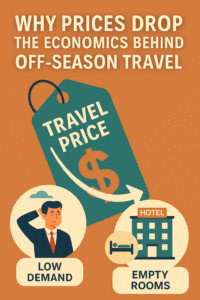 demand. During Europe’s peak season (June through August), millions of tourists flood the continent, pushing up prices for flights, hotels, and even local experiences. But when temperatures cool and crowds thin out, travel providers compete harder for fewer visitors — and that’s where smart travelers win.
Airlines often release off-peak fares to fill empty seats, while hotels and tour operators slash prices to maintain occupancy. The result? You can stay in central locations, enjoy fine dining, and take premium train routes at a fraction of summer costs. In some cases, even luxury hotels and boutique tours offer deals up to 60% off their high-season rates.
- Budget Tip: Use Travelpayouts or Booking.com through your affiliate links to compare off-season prices — you’ll spot huge discounts on city stays and scenic rail trips. Combine that with a Wise or Revolut card to avoid exchange rate losses and hidden foreign fees, and you’ll easily stretch your travel budget much further.
Best Destinations for Off-Peak Travel in 2025
Not all European cities slow down completely in winter — many become even more enchanting once the crowds disappear. Off-peak 2025 is your chance to explore Europe’s iconic landmarks, cozy cafés, and local culture without queues or inflated prices.
Here are some of the top off-season gems to consider this year:
 1. Budapest, Hungary – Thermal Baths & Affordable Luxury
Budapest shines in winter. Relax in the Széchenyi Thermal Baths, wander through snow-dusted castles, and enjoy 4-star hotels for under €60 a night.
- Use Travelpayouts or Booking.com to compare budget stays — you’ll find deals up to 50% lower than in summer.
2. Prague, Czech Republic – Fairytale City Without the Crowds
The cobblestone streets of Prague are just as magical under winter lights. You can visit Charles Bridge at sunrise with no one around and sip mulled wine in Old Town Square.
- Pay for tours or meals with a Wise card to avoid currency conversion fees.
3. Lisbon, Portugal – Europe’s Mild Winter Escape
Lisbon offers sunshine when most of Europe is gray. Visit Alfama’s viewpoints, ride Tram 28, and dine on seafood without summer queues.
- Check Omio for cheap winter flights from major European hubs.
 4. Athens, Greece – Ancient Ruins, Empty Streets
Imagine standing before the Parthenon with no tour groups around. Winter in Athens is crisp and calm — ideal for sightseeing and affordable stays.
- Use Revolut to pay in euros directly and track your daily spending in
off-peak Europe travel 2025 easily.
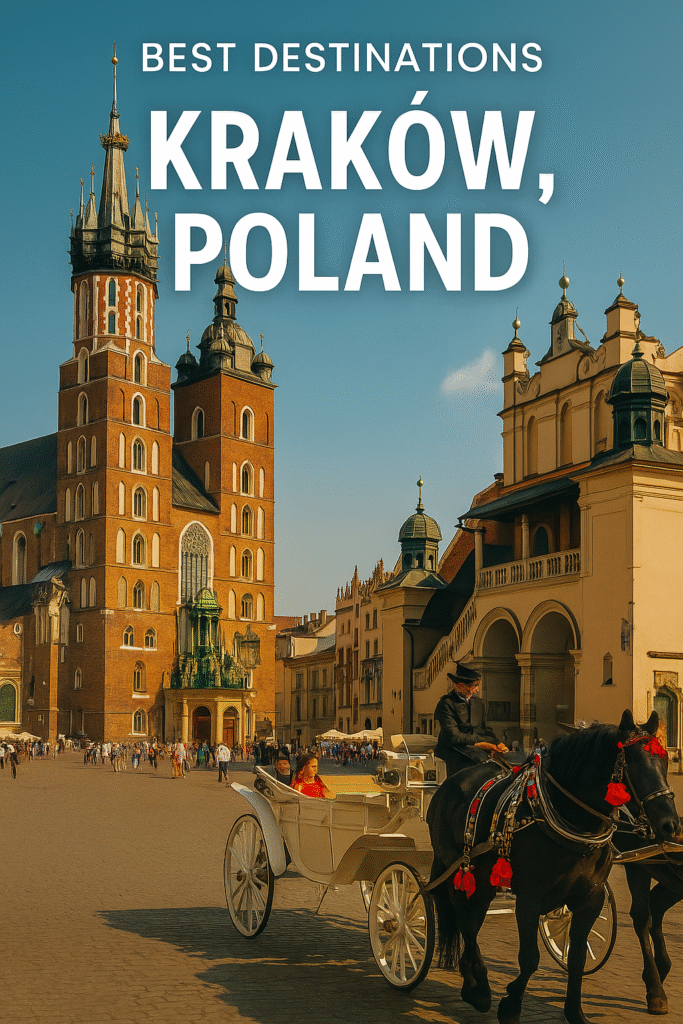
5. Krakow, Poland – History, Comfort & Low Costs
A winter stroll around Wawel Castle feels straight out of a storybook. Hotels, food, and attractions are among Europe’s cheapest.
- Perfect spot to combine with a Rail Europe or Omio pass for multi-city trips.
- Pro Tip: Mix well-known cities with smaller gems like Ljubljana, Tallinn, or Porto for a unique, budget-friendly itinerary. You’ll discover local authenticity — and your wallet will thank you.
Hidden Gems That Shine in Winter
While major cities get all the attention, Europe’s smaller, lesser-known destinations are where you’ll often find the best off-peak value — charming, authentic, and incredibly affordable. These hidden gems stay lively through the colder months, offering cozy escapes, rich culture, and far fewer tourists.
1. Ljubljana, Slovenia – Europe’s Green Secret
Ljubljana turns into a postcard-perfect winter town, complete with riverside cafés, a lively Christmas market, and a charming old center dusted with snow. Hotel prices drop below €50 per night, and day trips to Lake Bled are crowd-free.
- Use Omio to book cheap train rides from Vienna or Zagreb.
2. Valletta, Malta – Sunny Days in Europe’s South
When most of Europe is bundled in coats, Malta enjoys mild temperatures and golden sunsets. Explore Mdina’s medieval streets, cruise the Blue Lagoon, and enjoy meals outdoors year-round.
- Book accommodation with Wise or Revolut to save on currency fees.
3. Tallinn, Estonia – Fairytale Winter Wonderland
Tallinn’s old town, with its glowing Christmas lights and Gothic towers, feels straight out of a storybook. Off-season means lower hotel rates and no cruise ship crowds.
- Check Travelpayouts or Booking.com for winter hotel deals starting under €40 per night.
4. Porto, Portugal – Cozy Cafés & Riverside Charm
Porto is even more peaceful in winter, offering relaxed river walks, port wine tastings, and warm local hospitality. Flights and hotels are nearly 40% cheaper compared to summer.
- Search off-peak flights via Omio or Travelpayouts for the best deals.
- Insider Tip: These destinations are perfect for flexible travelers who don’t mind cooler weather. You’ll experience Europe’s authentic rhythm — locals, comfort food, and genuine culture — without breaking your budget.
How to Find Cheap Flights & Trains in Low Season
Traveling during Europe’s off-peak months is already a money-saver — but if you know how to search smartly, you can cut transport costs by another 30–50%. Flights and train fares drop sharply from November to March, especially for flexible travelers who plan strategically.
✅ Linked Tip: Beginner’s Guide to Booking Cheap European Flights in 2025
 1. Be Flexible With Dates and Airports
Use flexible date tools on platforms like Travelpayouts, Skyscanner, or Google Flights to uncover the cheapest departure days and times. Airfares can vary dramatically from one day to another, and even shifting your trip by 24 hours might save you a significant amount. Flying midweek — usually between Tuesday and Thursday — is almost always cheaper than weekend flights, when demand is higher. Early morning or late-night departures also tend to have lower prices because they’re less convenient for most travelers.
In addition, consider exploring alternative airports near your destination. Many European cities are served by multiple airports,
2. Take Advantage of Off-Season Train Deals
Trains in Europe are comfortable, scenic, and increasingly affordable in winter. Companies like Omio and Rail Europe often run seasonal discounts and passes for multi-country routes. Booking early can lock in the best prices, especially for high-speed lines like France’s TGV or Italy’s Frecciarossa.
3. Pay in Local Currency to Avoid Hidden Fees
When booking tickets, pay directly in the local currency using a Wise or Revolut card. These cards use real exchange rates with no markups, saving you 2–3% per transaction — small savings that add up fast across multiple bookings.
4. Mix and Match Transport Types
Sometimes the cheapest route isn’t direct. Combine low-cost flights, trains, or buses for maximum savings. For instance, fly to Vienna, then use Omio to find a cheap train to Budapest for under €15.
- Pro Tip: Always compare travel options side-by-side before booking. Low-cost carriers (like Ryanair or Wizz Air) sometimes charge hidden fees, while trains offer flexible luggage policies and fewer delays during winter weather.
Accommodation Deals: Where to Stay for Less
Off-peak travel isn’t just about cheaper flights — accommodation prices drop dramatically once the summer crowds leave. Between November and March, you’ll find hotels and apartments in Europe’s most popular cities at 30–60% discounts, often with breakfast included or free upgrades.
1. Use Comparison Tools for the Best Rates
Platforms like Travelpayouts and Booking.com make it easy to compare off-season rates across multiple cities. You’ll often find 4-star hotels in Prague or Budapest for under €70 a night, or boutique guesthouses in Lisbon for even less.
- Affiliate Tip: Always sort by “Deals” or “Free Cancellation” — many off-peak hotels offer flexible terms to attract travelers.
2. Try Local Guesthouses & Family-Run Stays
In smaller towns, consider guesthouses or pensions. They’re cheaper, more authentic, and include home-cooked breakfasts. In destinations like Krakow, Ljubljana, or Porto, you’ll often pay under €40 per night for great local comfort.
3. Save More with Long-Stay Discounts
If you’re planning a longer trip (2+ weeks), look for “monthly” or “weekly” stay discounts on Booking.com or Hostelworld. You can often get an additional 10–20% off by staying longer — perfect for slow travelers or digital nomads.
4. Avoid Hidden Bank Fees on Payments
Even small hotel savings can vanish due to conversion fees. Always pay directly in the local currency using a Wise or Revolut card — they offer real exchange rates with no markup.
- Pro Tip: Some hotels add extra perks in winter — like free breakfast or late check-out — to encourage bookings. Don’t hesitate to message them directly through Booking.com chat and ask for upgrades or early check-in during off-season stays.
What to Pack for Off-Season Travel in Europe
Packing smart is essential for enjoying Europe’s low season comfortably. The weather from November to March varies widely — from crisp mornings in Paris to snowy nights in Krakow — so versatility is key. The goal is to pack light yet layer efficiently, keeping warm without lugging heavy suitcases across cobblestone streets.
1. Focus on Layers, Not Bulk
Instead of bulky coats, pack light thermal layers, a waterproof jacket, and a compact down coat. This approach saves luggage space and helps you adapt to different climates as you travel between countries.
2. Comfortable Waterproof Shoes
Expect rain, snow, and slippery streets. A pair of waterproof sneakers or ankle boots is perfect for most destinations. They’re durable, stylish, and ideal for long city walks.
3. Weather-Proof Accessories
Don’t forget essentials like gloves, a warm hat, and a quick-dry scarf. They make a big difference in northern cities where winds can be sharp — especially in places like Tallinn or Berlin.
4. Smart Travel Gear
Invest in a lightweight carry-on backpack (under 40L) for easy train and flight transitions. Add a small travel umbrella and reusable water bottle for day trips.
- Pro Tip: Use your Wise or Revolut card when shopping abroad to avoid conversion markups on travel gear.
- Packing Tip: If you’re moving between warmer and colder regions (like Lisbon → Budapest → Prague), plan outfits around neutral colors and quick-dry fabrics. You’ll save space — and money — by packing smarter, not heavier.
Weather & Local Experience: What to Expect
Traveling through Europe during the off-peak season offers a completely different atmosphere — quieter, cozier, and often more authentic. While summer crowds chase the same landmarks, winter travelers get to experience Europe at its natural rhythm, with locals instead of tourists filling cafés and markets.
1-Weather by Region
|
Region |
Typical Conditions (Nov–Mar) |
Travel Tip |
|---|---|---|
|
Southern Europe (Portugal, Greece, Malta) |
Mild days (10–18°C), cool nights |
Great for walking tours and outdoor cafés |
|
Central Europe (Austria, Czechia, Hungary) |
Cold, some snow (0–8°C) |
Ideal for winter markets & hot thermal spas |
|
Northern Europe (Germany, Baltics, Scandinavia) |
Cold & snowy (-5–5°C) |
Perfect for cozy stays, museums, and sauna culture |
2-A More Authentic Europe
In destinations like Budapest, Porto, and Athens, locals have more time to chat, and restaurants are less rushed. You’ll often get friendlier service, better accommodation upgrades, and real cultural experiences instead of tourist-centered ones.
3-Off-Season Charm
This is also the season of Christmas markets, light festivals, and comfort food. Imagine sipping hot chocolate in Vienna’s Rathausplatz or watching snow fall over Charles Bridge — moments you can’t buy during summer’s chaos.
- Pro Tip: Keep track of local holidays (like Christmas or Epiphany) since smaller towns may close for a few days. Always carry offline maps and use NordVPN for safe Wi-Fi when booking or navigating abroad.
How to Stay Safe & Insured During Winter Travel
Even the most seasoned travelers face unexpected issues — from flight delays to lost luggage or sudden illness. During Europe’s winter months, snowstorms, strikes, or cancellations can happen without warning. That’s why travel insurance and online security are non-negotiable if you want peace of mind while exploring off-peak Europe in 2025.
✅ Linked Tip: 15 Tourist Mistakes to Avoid in Europe (2025 Survival Guide)
1. Always Travel with Reliable Insurance
Off-season means fewer crowds but also a higher chance of weather disruptions. Affordable plans like SafetyWing cover medical emergencies, trip interruptions, and even delayed baggage worldwide. It’s perfect for flexible travelers and digital nomads who move across multiple countries.
- Tip: Buy or renew your policy before departure — it’s cheaper and activates immediately when you start your trip.
2. Protect Your Data on Public Wi-Fi
Winter travel often involves connecting to public Wi-Fi in airports, trains, or cafés. These networks can expose your personal data to hackers. Use NordVPN to encrypt your connection and safely access your online banking or bookings while abroad.
3. Keep a Digital Backup of Essentials
Scan and store copies of your passport, travel insurance, and flight details in a secure cloud folder. In case of loss or emergency, having quick access saves hours of stress.
- Pro Traveler Tip: A few euros a week spent on travel insurance and VPN protection can save hundreds — or even thousands — if something goes wrong. Stay insured, stay secure, and keep your travels worry-free.
Smart Money Moves: Avoid Hidden Fees & Exchange Losses
Nothing ruins a budget trip faster than hidden bank fees or poor exchange rates. Many travelers unknowingly lose 3–5% of every transaction through bad currency conversions, ATM fees, or international card charges. But with a few smart money habits, you can keep that cash for what really matters — great food, local experiences, and future adventures.
✅ Linked Tip: Top 10 Travel Scams to Avoid in Europe (2025 Edition)
1. Use Multi-Currency Cards (Wise & Revolut)
Traditional banks often overcharge for foreign transactions, but Wise and Revolut cards use the real mid-market exchange rate — the same one you see on Google. You can hold multiple currencies, pay directly in euros, and transfer between accounts instantly with minimal fees.
- Affiliate Tip: Apply for your Wise or Revolut card before your trip so it arrives in time for your travels.
2. Withdraw Cash Strategically
Avoid airport ATMs or conversion counters — they usually add 10–15% hidden fees. Instead, use reputable bank ATMs in city centers and withdraw larger amounts less frequently. This reduces transaction costs and avoids dynamic currency conversion traps.
3. Track Spending and Budget on the Go
Apps like Revolut categorize your spending in real time, showing exactly where your money goes — whether it’s coffee in Krakow or a rail ticket in Vienna.
- Pro Tip: Set daily or weekly spending limits inside the app to prevent overspending while still enjoying your trip.
- In short: The easiest way to save hundreds during off-peak travel is to manage your money smartly. With Wise and Revolut, you’ll pay like a local, skip the tourist taxes, and make your travel budget go much further.
Sample 7-Day Off-Peak Itinerary (Multi-City Route)
One of the best ways to experience Europe during the off-season is through a multi-city route — combining scenic train rides, affordable stays, and authentic local experiences. Below is a sample 7-day itinerary you can adapt for your own 2025 winter adventure.
Day 1–2: Budapest, Hungary
Start your journey in Budapest — soak in the Széchenyi Thermal Baths, stroll the illuminated Chain Bridge, and enjoy goulash in a riverside café.
- Save: Book hotels on Travelpayouts and pay using Wise to avoid conversion fees.
-
If you’re planning your first trip, read this post: Top 10 Travel Scams to Avoid in Europe (2025 Edition)
Day 3: Vienna, Austria
Take a 2-hour train ride to Vienna via Omio. Visit Schönbrunn Palace and sip hot chocolate at Café Central. Off-season hotel rates drop by nearly 40%.
- Tip: Use Revolut to pay in euros with no foreign fees.
Day 4–5: Prague, Czech Republic
Hop on a comfortable Railjet train to Prague. Wander Old Town Square, admire Charles Bridge at sunrise, and enjoy hearty Czech cuisine.
- Stay: Cozy boutique hotels from €60/night — search via Booking.com or Travelpayouts.
Day 6–7: Krakow, Poland
End your trip in Krakow, one of Europe’s best budget destinations. Visit Wawel Castle, explore the historic Jewish Quarter, and enjoy traditional pierogi.
- Pro Tip: Check Omio for train or bus connections under €15.
Alternative Add-Ons:
-
Add Ljubljana for scenic winter charm.
-
Swap Vienna for Bratislava if you want a smaller, cheaper capital.
Estimated Total Cost (7 Days)
|
Category |
Approx. Cost (Off-Peak) |
|---|---|
|
Transport (multi-city) |
€90–€130 |
|
Accommodation |
€250–€350 |
|
Meals & Activities |
€150–€200 |
|
Total (per traveler) |
€500–€650 |
- Budget Tip: Traveling by train during off-season saves time and avoids expensive baggage fees. Combine Omio, Rail Europe, and your Wise/Revolut card for maximum savings and smooth payments.
Conclusion: Enjoy Europe Without the Stress or the Price Tag
Traveling through Europe in the off-peak season is more than just a way to save money — it’s a smarter, richer, and more personal experience. You’ll see iconic destinations without the chaos, connect with locals on a genuine level, and spend less on everything from transport to accommodation.
While most travelers wait for summer, those who explore Europe in winter or early spring discover the continent at its best — quiet streets, real conversations, and authentic charm. From soaking in Budapest’s thermal baths to exploring Prague’s empty alleys or Lisbon’s sunlit viewpoints, off-season travel in 2025 offers freedom and affordability few other times of year can match.
Smart Traveler Reminder:
Before you go, set yourself up for a stress-free trip:
-
Use Revolut or Wise to manage multiple currencies and avoid hidden exchange fees.
-
Get covered with SafetyWing travel insurance for peace of mind on every journey.
-
Stay protected online with NordVPN, especially when using public Wi-Fi abroad.
Plan smart, spend wisely, and experience Europe’s true beauty — without the crowds or the costs.
✨ Ready to Explore Europe Off-Peak in 2025?
Travel smarter and cheaper with these trusted tools:
✅ Get your Revolut or Wise card – pay like a local and save on every transaction.
✅ Grab SafetyWing travel insurance – affordable, flexible coverage across Europe.
✅ Secure your connection with NordVPN – browse safely on public Wi-Fi anywhere.
Plan smart, save big, and enjoy Europe’s hidden beauty this off-peak season!
Frequently Asked Questions About Off-Peak Europe Travel 2025
When is the best time to travel off-peak in Europe?
The best months for off-peak Europe travel 2025 are from November to March. You’ll find cheaper hotels, smaller crowds, and a more authentic experience in most destinations.
How much can I save by traveling off-peak?
Traveling off-peak in Europe can cut your total expenses by 30–50% on flights, hotels, and attractions compared to peak summer months.
Which countries are best for low-season travel?
Top off-peak destinations include Portugal, Czech Republic, Hungary, and Poland — all offering great winter experiences at budget-friendly prices.
Disclosure: This post contains affiliate links. If you purchase through them, I may earn a commission at no extra cost to you — thank you for supporting Frugal Nomad Life!